
Deceased Estate Clearance Checklist: What to Do Before Selling an Inherited Property
Dealing with a deceased estate can be overwhelming, particularly when a property needs to be cleared before it can be sold. Alongside the emotional challenges, there are decisions about furniture, personal belongings, documents, cleaning and preparing the home for buyers.
For families and executors in New South Wales, a clear plan can make the work more manageable. Total Estate Clearance has completed over 500 property clearances across NSW. This deceased estate clearance checklist explains what to consider before clearing an inherited property and preparing it for sale.
1. Confirm who has authority to arrange the clearance
Before removing possessions, establish who is authorised to make decisions about the estate. The executor named in the will generally administers the estate. Where there is no valid will or no executor able to act, an administrator may need to be appointed.
Probate, ownership and the terms of the will can affect what happens next. Ask the estate solicitor what can be sorted, removed, sold or distributed at this stage. Where there are multiple executors, confirm how instructions will be agreed. A beneficiary’s preference alone should not be treated as authority to remove an item.
The NSW Government guide for executors explains the wider responsibilities involved.
2. Locate important documents and valuables
Check the property carefully for items that need protection before clearance begins:
- Wills, property documents, insurance policies and financial records
- Passports, birth certificates and identification
- Jewellery, watches, coins and collectibles
- Family photographs, letters and sentimental possessions
- Keys, electronic devices and account records
Documents and valuables may be tucked inside books, drawers, clothing pockets or everyday containers. Set aside a secure area for anything requiring examination. Photograph significant items and keep a simple inventory. Retain devices and records securely so the authorised representative can arrange appropriate handling.
3. Decide what to keep, sell, donate or dispose of
Separate possessions into four proposed categories, subject to the executor’s instructions:
- Keep: Personal belongings, family heirlooms and items specifically left to someone in the will.
- Sell: Furniture, antiques and collectibles with resale potential. Seek a professional valuation where appropriate.
- Donate: Usable furniture, clothing, books and household goods a charity agrees to accept.
- Dispose: Damaged, broken or unusable items approved for removal.
Label retained items clearly and record where they are going. Put disputed belongings aside until the authorised decision-makers resolve the issue. For more detail, see what happens to furniture during an estate clearance.
4. Assess the property’s size and condition
Some homes contain ordinary furnishings; others hold decades of belongings. Include garages, sheds, storage rooms and outdoor areas when assessing the work. Stairs, restricted parking, heavy appliances and overgrown gardens can affect access and the equipment needed.
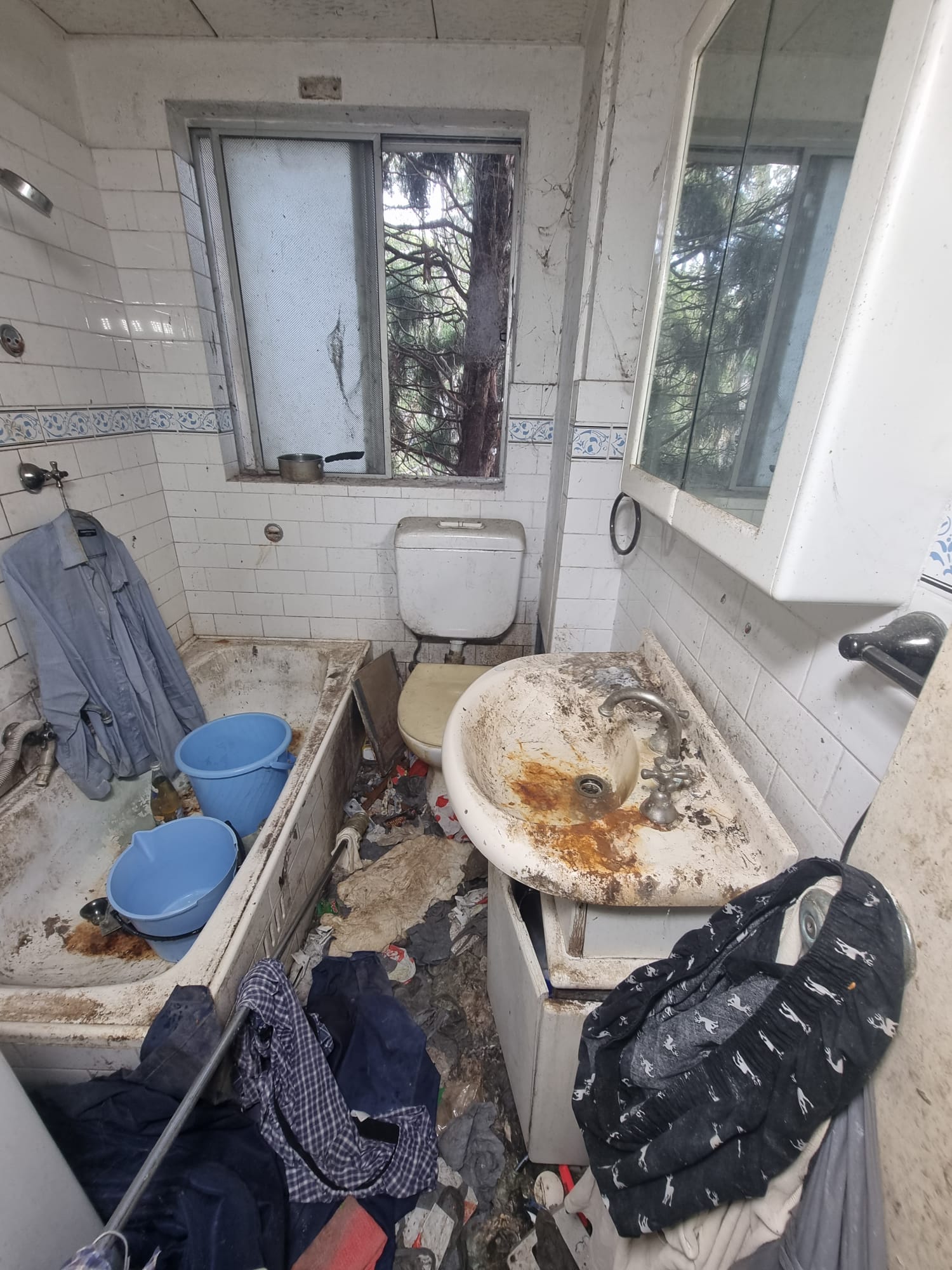
Where there are hoarding conditions, contamination or suspected hazardous materials, arrange an assessment before disturbing anything. Do not enter unsafe roof spaces or handle suspected asbestos, sharps or chemicals yourself.
5. Arrange a professional deceased estate clearance
An entire house clearance can involve sorting, furniture removal, waste separation, multiple truckloads and disposal arrangements. You do not need to empty every cupboard or move heavy furniture before requesting help.
Agree on a written scope covering the rooms and outbuildings, retained items, access, removal, disposal and any additional cleaning. Ask what is included in the quote and what would incur an extra charge. Our guide to estate clearance costs explains factors that affect the work.
Total Estate Clearance’s deceased estate clearance service can coordinate household contents removal, garage and shed clearance, and agreed property preparation. This can help executors who live interstate or cannot attend regularly.
6. Prepare the property for sale
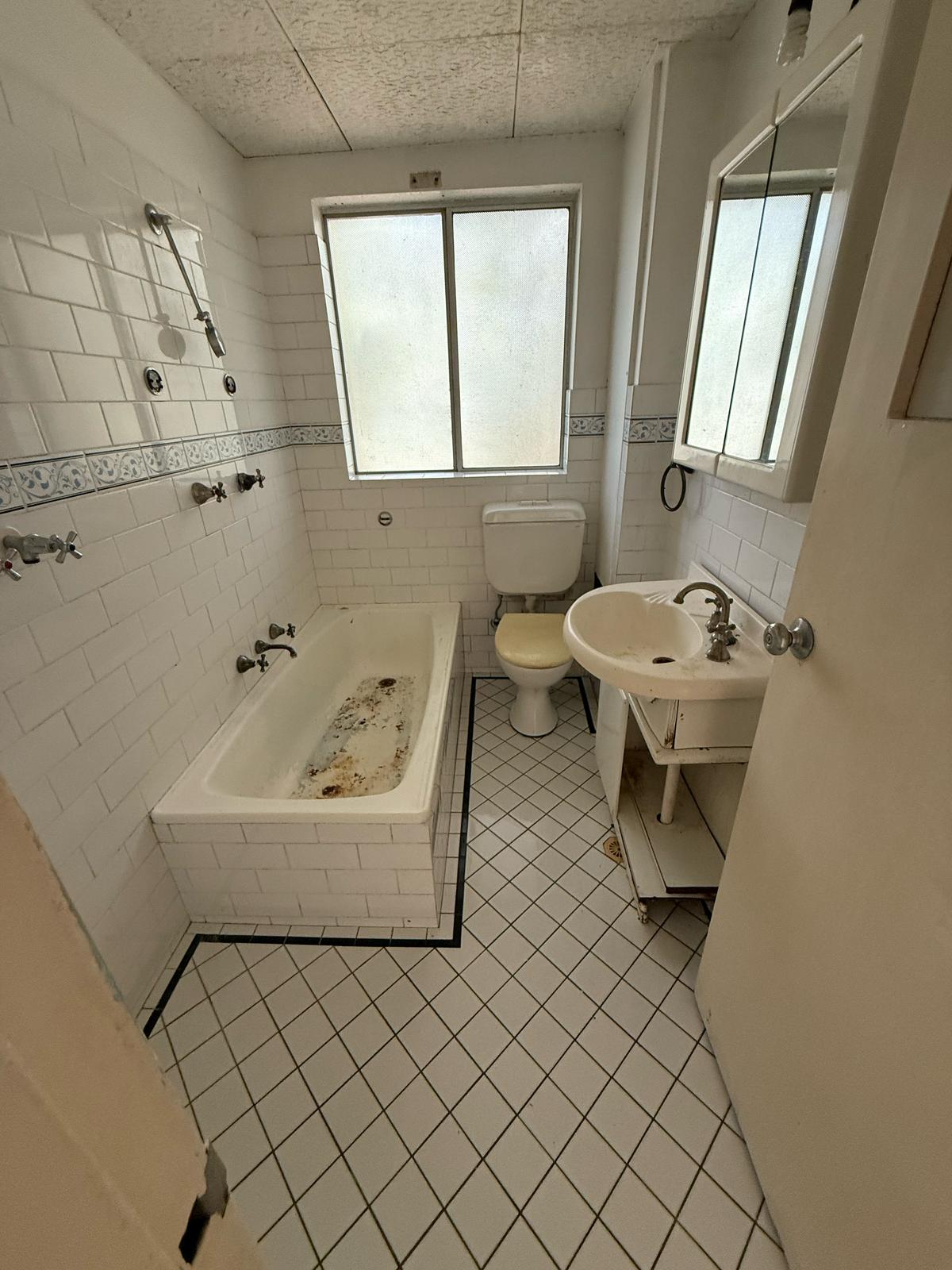
Once contents are removed, the property’s condition is easier to assess. A vacant home may still need kitchen and bathroom cleaning, dust removal, cobweb removal, garden tidying or exterior washing before photography and inspections.
Clearance and cleaning are separate tasks: confirm both in the agreed scope. Discuss presentation priorities with the selling agent before commissioning repairs or improvements. The aim is a clean, accessible property without unnecessary expenditure.
7. Allow time before photography and inspections
Avoid leaving clearance until immediately before the property is photographed or listed. An ordinary family home can contain more than expected, while difficult access and extensive outdoor areas add work.
Arrange an assessment early, confirm access arrangements and leave time for cleaning and maintenance afterwards. Keep the selling agent informed. Read more about how long a deceased estate clearance can take.
8. Keep records of clearance expenses
Retain quotes, invoices, receipts and correspondence for clearance, disposal, cleaning and maintenance. Record who authorised the work and any agreed changes. Confirm with the estate solicitor or accountant whether particular expenses can be paid or reimbursed from estate funds.
Common mistakes to avoid
- Removing belongings without the authorised person’s approval
- Overlooking documents, valuables or sentimental possessions
- Assuming every usable item can be sold or donated
- Underestimating contents in sheds and outdoor areas
- Booking contractors without a clear scope and retained-items list
- Leaving no time for cleaning after clearance
- Handling potentially hazardous materials without specialist advice
Need help clearing a deceased estate in NSW?
Total Estate Clearance helps families and executors across Greater Sydney, the Central Coast and Hunter, Newcastle and other NSW locations. Depending on the property and agreed scope, help can extend to cleaning, garden clearance and preparation for sale.
Whether it is a small apartment, family home or heavily cluttered property, we can assess the work and provide a clear quotation. Request an assessment or call 0488 991 731.